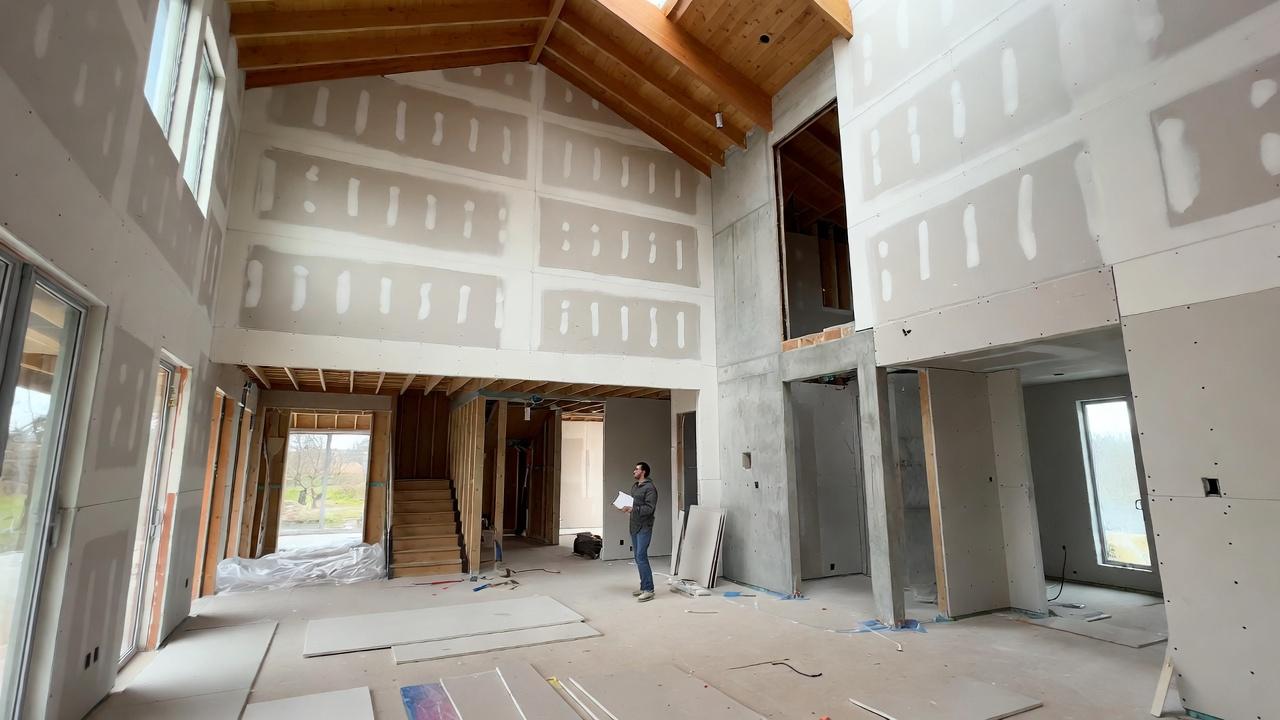
Home Renovation ROI: Maximizing Your Investment in Toronto's 2026 Market
Homeowners across the Greater Toronto Area invest billions of dollars annually in renovations, hoping to increase their property values and improve their living spaces. However, not all renovations deliver equal returns. Understanding which improvements actually increase home value, which provide the best home renovation ROI, and how to maximize your investment requires careful analysis of market trends, buyer preferences, and cost-benefit calculations.
According to Statistics Canada, Canadian homeowners spent over $80 billion on renovations in 2024, with the GTA representing a significant portion of this spending. The Government of Canada provides resources and guidelines for homeowners undertaking renovation projects, emphasizing the importance of proper planning and qualified contractors. Yet many homeowners discover that their renovation investments don't translate to proportional increases in property values. Understanding renovation ROI Toronto helps you make informed decisions about where to invest your renovation dollars.
When you're preparing to sell a renovated home, working with a discount brokerage helps you maximize your total return. National Home Realty's flat fee model charges just $6,000 + 13% HST ($6,780 total) for comprehensive listing services, compared to traditional 2.5% commissions that can cost $20,000 or more. These savings become even more valuable when you've already invested in home improvements that increase value.
Understanding Renovation ROI: The Basics of Return on Investment
Return on investment, or ROI, measures how much value a renovation adds relative to its cost. A renovation with 100% ROI means you recoup the full cost when selling. A renovation with 150% ROI means you recoup your investment plus 50% more. Understanding these calculations helps you prioritize which home renovations for resale make financial sense.
According to the Canadian Real Estate Association (CREA), renovation ROI varies significantly based on property type, neighborhood, market conditions, and the quality of work performed. In Toronto's 2026 market, certain renovations consistently deliver better returns than others, while some improvements may actually decrease your property's appeal to buyers.
Calculating renovation return on investment requires understanding both the direct costs of improvements and the indirect factors that affect value. A $50,000 kitchen renovation might increase your home's value by $40,000, representing 80% ROI. However, if that renovation helps your home sell faster or for a higher price than comparable unrenovated properties, the true value may be higher than the direct ROI calculation suggests.
Factors That Influence Renovation ROI
Several factors determine whether your Toronto home renovations will deliver strong returns. The neighborhood you're in matters significantly—renovations in high-demand areas typically deliver better ROI than identical improvements in less desirable locations. Property type also influences returns, with detached homes often seeing better renovation ROI than condos.
Market conditions play a crucial role. In seller's markets, renovated homes command premium prices, improving ROI. In buyer's markets, renovations may be necessary to compete, but returns may be lower. The quality of workmanship matters enormously—poorly executed renovations can actually decrease property value, while professional work typically delivers better returns.
Timing your renovations relative to selling also affects ROI. Renovations completed too far in advance may show wear by the time you sell, reducing their impact. Renovations completed just before listing may not allow you to enjoy the improvements yourself. Finding the right balance helps maximize both your enjoyment and your financial return.
The Cost of Renovations in Toronto's 2026 Market
Understanding Toronto renovation costs helps you budget effectively and set realistic expectations for ROI. According to industry data, renovation costs in the GTA have increased significantly in recent years due to material costs, labor shortages, and increased demand. These higher costs can impact ROI calculations, making it even more important to choose renovations that deliver strong returns.
Kitchen renovations in Toronto typically range from $25,000 to $75,000 for mid-range updates, with high-end renovations costing $100,000 or more. Bathroom renovations generally cost $15,000 to $40,000, depending on size and scope. Basement finishing can range from $30,000 to $80,000, while exterior improvements like decks, patios, and landscaping vary widely based on materials and scope.
These costs make it essential to prioritize renovations that deliver the best ROI. Spending $50,000 on a renovation that increases your home's value by $30,000 represents a loss, while spending $30,000 on improvements that increase value by $45,000 represents strong ROI. Understanding these dynamics helps you make smarter investment decisions.
High-ROI Renovations: Improvements That Deliver Strong Returns
Certain renovations consistently deliver strong home renovation ROI in Toronto's market. These improvements align with buyer preferences, address common property deficiencies, and enhance functionality in ways that buyers value. Understanding which renovations fall into this category helps you prioritize your investment dollars.
According to real estate professionals and market analysis, the renovations that typically deliver the best returns include kitchen updates, bathroom renovations, basement finishing, exterior improvements, and strategic cosmetic updates. However, the specific ROI depends on your property's current condition, neighborhood, and the quality of work performed.
When you're planning renovations with selling in mind, working with a discount realtor early in the process can provide valuable insights. Experienced agents understand which renovations buyers value most in your specific area, helping you avoid over-improving or under-improving your property relative to neighborhood standards.
Kitchen Renovations: The Heart of Home Value
Kitchen renovations consistently rank among the top home improvements that increase value in Toronto. According to industry studies, well-executed kitchen updates typically deliver 70% to 85% ROI, making them one of the most reliable renovation investments. However, the specific return depends on the scope of work, quality of materials, and how the renovation compares to neighborhood standards.
Mid-range kitchen renovations that include new cabinets, countertops, appliances, and flooring typically deliver the best ROI. These updates modernize the space without over-improving relative to the property's overall value. High-end kitchen renovations may deliver lower percentage ROI, though they can help properties compete in luxury markets.
The key to maximizing kitchen renovation ROI is focusing on improvements that buyers notice and value. Updated appliances, modern countertops, fresh paint, and improved lighting typically deliver better returns than structural changes or overly personalized design choices. Neutral color schemes and timeless materials tend to appeal to the broadest range of buyers.
Kitchen Renovation Best Practices
When planning kitchen renovations for maximum renovation ROI Toronto, focus on functionality and aesthetics that align with current buyer preferences. Open-concept layouts remain popular, though the cost of structural changes may not always deliver proportional ROI. Instead, consider cosmetic updates that create the feeling of openness without major construction.
Energy-efficient appliances appeal to environmentally conscious buyers and can improve your home's marketability. Updated lighting, including under-cabinet lighting and modern fixtures, enhances both functionality and aesthetics. Quality countertops, whether quartz, granite, or high-end laminate, significantly impact buyer perception. According to the Government of Ontario, energy-efficient home improvements can qualify for rebates and incentives, making them attractive to buyers concerned about both environmental impact and operating costs.
Avoid over-personalizing your kitchen design. While you may love bold colors or unique features, these choices can limit buyer appeal. Instead, choose neutral palettes and classic designs that allow buyers to envision their own style. This approach typically delivers better ROI by appealing to a broader range of potential buyers.
Bathroom Renovations: High Impact, Strong Returns
Bathroom renovations rank second only to kitchens in terms of home renovation ROI. Well-executed bathroom updates typically deliver 60% to 75% ROI, making them excellent investments for homeowners preparing to sell. Like kitchen renovations, the specific return depends on the scope of work and how improvements compare to neighborhood standards.
Bathroom renovations that focus on modern fixtures, updated vanities, quality flooring, and improved lighting typically deliver the best returns. These updates modernize the space without requiring extensive structural changes. Adding a second bathroom or converting a half-bath to a full bathroom can deliver even stronger returns, particularly in homes that previously had only one bathroom.
The master bathroom typically delivers better ROI than secondary bathrooms, though updating all bathrooms can improve overall property appeal. Focus on improvements that enhance both aesthetics and functionality—buyers value bathrooms that feel modern, clean, and well-maintained.
Bathroom Renovation Strategies
When planning bathroom renovations for maximum renovation return on investment, prioritize updates that address common buyer concerns. Outdated fixtures, worn flooring, and poor lighting are frequent turn-offs for buyers. Addressing these issues typically delivers strong ROI while improving your home's marketability.
Consider the balance between cost and impact. A complete bathroom gut and renovation may cost $30,000 to $50,000, while strategic updates to fixtures, paint, and lighting might cost $10,000 to $15,000 with similar impact on buyer perception. Understanding this balance helps you maximize ROI while controlling costs.
Quality materials matter in bathrooms, where buyers expect durability and easy maintenance. Porcelain or ceramic tile, quality vanities, and modern fixtures typically deliver better returns than budget alternatives. However, avoid over-improving with luxury materials that exceed neighborhood standards, as these may not deliver proportional ROI.
Basement Finishing: Adding Livable Space
Finishing a basement represents one of the most cost-effective ways to add livable square footage, typically delivering strong home renovation ROI. According to industry analysis, basement finishing typically delivers 70% to 85% ROI, making it an excellent investment for homeowners with unfinished basements.
The ROI of basement finishing depends on several factors. Basements that can function as separate living spaces, with proper egress windows, bathrooms, and kitchenettes, typically deliver better returns than basic finished spaces. However, even basic finishing that creates additional family room or recreation space typically delivers strong ROI.
In Toronto's market, finished basements are particularly valuable because they add functional space in a city where square footage comes at a premium. A well-finished basement can function as a family room, home office, guest suite, or rental unit, depending on layout and features. This versatility appeals to buyers and typically delivers strong returns.
Basement Finishing Considerations
When planning basement finishing for maximum GTA home renovations ROI, address moisture and structural issues first. A beautifully finished basement with moisture problems will not deliver strong returns, as buyers will identify these issues during inspections. Proper waterproofing, adequate insulation, and proper ventilation are essential foundations for successful basement finishing.
Consider the intended use of the finished space. Basements designed as rental units with separate entrances and kitchen facilities can deliver exceptional ROI, particularly in areas with strong rental demand. However, these improvements require proper permits and compliance with local regulations, which adds to costs but can significantly increase value.
Natural light matters in finished basements. Basements with large windows or walk-out access typically deliver better returns than fully below-grade spaces. If your basement lacks natural light, consider strategic window wells or light wells that bring in daylight. These improvements can significantly enhance the finished space's appeal and value.
Exterior Improvements: Curb Appeal and Functionality
Exterior improvements can deliver strong home renovation ROI by enhancing curb appeal and functionality. According to real estate professionals, first impressions matter enormously in home sales, and exterior improvements that enhance curb appeal typically deliver 60% to 80% ROI. These improvements help your property stand out in listings and attract more potential buyers.
Landscaping improvements, including professional design, quality plants, and hardscaping features, typically deliver strong returns. Well-maintained lawns, strategic tree planting, and attractive garden beds create positive first impressions. Decks, patios, and outdoor living spaces also deliver strong ROI, particularly in neighborhoods where outdoor living is valued.
Exterior painting, siding updates, and roof replacements may not deliver high percentage ROI, but they're often necessary to maintain property value and marketability. A home with peeling paint or damaged siding will struggle to attract buyers, regardless of interior improvements. These maintenance-oriented improvements protect your property's value even if they don't dramatically increase it.
Deck and Patio Additions
Adding or updating decks and patios typically delivers strong renovation ROI Toronto, particularly in neighborhoods where outdoor living is valued. According to industry data, deck additions typically deliver 65% to 75% ROI, making them excellent investments for homeowners with suitable properties.
The ROI of deck and patio additions depends on several factors. Size matters—decks that are appropriately sized for the property typically deliver better returns than oversized additions. Quality materials, including composite decking and quality railings, typically deliver better returns than budget alternatives that require frequent maintenance.
Location and design also influence ROI. Decks that integrate well with the home's architecture and provide functional outdoor living space typically deliver better returns than basic platforms. Consider how the deck or patio enhances your property's overall appeal and functionality when planning these improvements.
Landscaping and Curb Appeal
Professional landscaping improvements typically deliver 60% to 70% home renovation ROI, making them valuable investments for homeowners preparing to sell. Well-designed landscaping enhances curb appeal, creates positive first impressions, and can help your property stand out in competitive markets.
The key to maximizing landscaping ROI is focusing on improvements that create immediate visual impact without requiring extensive ongoing maintenance. Mature trees, well-designed garden beds, and quality hardscaping features typically deliver better returns than high-maintenance gardens that may not appeal to all buyers.
Consider your property's specific needs. Properties with poor drainage or erosion issues may benefit from landscaping improvements that address these problems while enhancing aesthetics. Properties with excellent existing landscaping may benefit more from maintenance and strategic updates than major overhauls.
Moderate-ROI Renovations: Improvements With Variable Returns
Some renovations deliver moderate home renovation ROI that varies significantly based on property type, neighborhood, and execution quality. These improvements can be valuable investments, but they require careful consideration of your specific circumstances and market conditions.
Understanding which renovations fall into this category helps you make informed decisions about where to invest your renovation dollars. These improvements may deliver strong returns in some circumstances but moderate or lower returns in others, making it essential to evaluate them relative to your property and market.
When considering moderate-ROI renovations, working with experienced real estate professionals can provide valuable insights. A discount brokerage like National Home Realty can help you understand which improvements make sense for your property and market, ensuring you maximize your total return when selling.
Flooring Updates: Impact and ROI
Flooring updates can deliver moderate to strong renovation ROI Toronto, depending on the type of flooring and your property's current condition. Replacing worn carpet with quality hardwood or engineered wood typically delivers 60% to 70% ROI, making it a solid investment for many homeowners.
The ROI of flooring updates depends on several factors. Properties with severely damaged or outdated flooring typically see better returns from updates than properties with acceptable existing flooring. The type of flooring you choose also matters—hardwood typically delivers better returns than carpet, while quality tile can be excellent in appropriate spaces.
Consider the scope of flooring updates relative to your overall renovation budget. Updating flooring throughout the home can be expensive, while strategic updates to high-traffic areas or main living spaces may deliver similar impact at lower cost. Understanding this balance helps you maximize ROI while controlling expenses.
Window and Door Replacements
Window and door replacements typically deliver moderate home renovation ROI, with returns ranging from 50% to 70% depending on the quality of replacements and your property's current condition. While these improvements may not deliver the highest percentage ROI, they can significantly improve energy efficiency, comfort, and curb appeal.
Energy-efficient windows and doors appeal to environmentally conscious buyers and can reduce heating and cooling costs, which adds value beyond direct ROI calculations. Modern windows and doors also improve curb appeal and can help your property compete more effectively in the market.
The ROI of window and door replacements depends on whether your current windows and doors are functional and reasonably attractive. Properties with damaged, drafty, or severely outdated windows typically see better returns from replacements than properties with acceptable existing windows. Understanding your property's specific needs helps you evaluate whether these improvements make financial sense.
HVAC System Updates
HVAC system updates typically deliver moderate renovation return on investment, with returns ranging from 40% to 60% depending on the scope of work and your property's current systems. While these improvements may not deliver high percentage ROI, they're often necessary for property functionality and marketability.
Properties with outdated or non-functional HVAC systems typically see better returns from updates than properties with acceptable existing systems. Energy-efficient HVAC systems appeal to buyers concerned about operating costs and environmental impact, which can improve marketability even if direct ROI is moderate.
Consider the balance between cost and necessity. A complete HVAC system replacement may cost $10,000 to $20,000, while strategic updates to existing systems may cost less while still improving functionality and efficiency. Understanding your property's specific needs helps you make cost-effective decisions about HVAC improvements.
Low-ROI Renovations: Improvements to Approach Carefully
Some renovations typically deliver lower home renovation ROI and should be approached carefully, particularly if you're planning to sell in the near future. Understanding which improvements fall into this category helps you avoid over-investing in renovations that won't deliver proportional returns.
These renovations may still be valuable for your enjoyment and lifestyle, but they're less likely to deliver strong financial returns when selling. If you're renovating primarily for resale value, you may want to prioritize higher-ROI improvements instead. If you're renovating for your own enjoyment with a longer time horizon, these improvements may still make sense.
Working with experienced real estate professionals can help you understand which renovations make sense for your specific goals. A discount realtor can provide insights into buyer preferences in your area, helping you avoid renovations that won't deliver strong returns.
Swimming Pools and Hot Tubs
Swimming pools and hot tubs typically deliver low renovation ROI Toronto, with returns often ranging from 20% to 40%. While these features can provide significant enjoyment for homeowners, they appeal to a limited segment of buyers and require ongoing maintenance that some buyers find undesirable.
The ROI of pools and hot tubs varies significantly by neighborhood and property type. In high-end neighborhoods where pools are common, they may deliver better returns than in neighborhoods where pools are rare. However, even in pool-friendly areas, the maintenance requirements and limited buyer appeal typically result in lower ROI than other improvements.
If you're planning to sell in the near future, investing in pool or hot tub additions is unlikely to deliver strong financial returns. If you're planning to enjoy these features for many years, the personal value may outweigh the lower financial ROI. Understanding your goals and timeline helps you make informed decisions about these improvements.
Specialized Rooms and Features
Specialized rooms and features, such as home theaters, wine cellars, or elaborate home gyms, typically deliver low home renovation ROI because they appeal to a limited segment of buyers. While these features can provide significant enjoyment for homeowners who value them, they're unlikely to deliver proportional returns when selling.
The ROI of specialized rooms depends on how broadly they appeal to potential buyers. A home office that can function as a bedroom typically delivers better returns than a dedicated home theater that can't easily be converted. Understanding the flexibility and broad appeal of specialized spaces helps you evaluate their ROI potential.
If you're renovating for your own enjoyment with a longer time horizon, specialized rooms may still make sense. However, if you're renovating primarily for resale value, you may want to prioritize improvements with broader buyer appeal that typically deliver stronger returns.
Over-Improvement Relative to Neighborhood
Over-improving your property relative to neighborhood standards typically results in lower renovation return on investment. While high-end renovations may appeal to some buyers, they're unlikely to deliver proportional returns if they significantly exceed what's typical for your neighborhood.
Understanding neighborhood standards helps you avoid over-improvement. A $100,000 kitchen renovation in a neighborhood where typical homes have $30,000 kitchens is unlikely to deliver strong ROI, as buyers won't pay proportionally more for the over-improvement. Instead, renovations that align with or slightly exceed neighborhood standards typically deliver better returns.
Working with experienced real estate professionals can help you understand neighborhood standards and avoid over-improvement. A discount brokerage can provide insights into what buyers expect in your area, helping you make renovation decisions that deliver strong returns.
Strategic Renovation Planning: Maximizing Your Total Return
Strategic renovation planning helps you maximize your total return on investment, whether you're renovating for resale or long-term enjoyment. Understanding how to prioritize improvements, balance costs and returns, and time your renovations relative to selling helps you make informed decisions that maximize both financial returns and personal satisfaction.
According to real estate market analysis, homeowners who approach renovations strategically typically see better overall returns than those who renovate without a clear plan. This strategic approach involves understanding your property's current condition, identifying improvements that deliver strong ROI, and prioritizing renovations that align with your goals and timeline.
When you're preparing to sell a renovated home, working with a discount brokerage helps you maximize your total return. National Home Realty's flat fee model saves you $15,000 or more on commissions compared to traditional realtors, ensuring you keep more of the value created by your renovation investments.
Prioritizing Renovations by ROI
Prioritizing renovations by home renovation ROI helps you maximize your return on limited renovation budgets. Start with improvements that deliver the strongest returns, such as kitchen and bathroom updates, then move to moderate-ROI improvements if budget allows. This approach ensures you get the most value from your renovation dollars.
Consider your property's current condition when prioritizing renovations. Properties with significant deficiencies, such as outdated kitchens or bathrooms, typically see better returns from addressing these issues than from cosmetic improvements. Properties in good condition may benefit more from strategic updates that enhance appeal without major structural changes.
Balance ROI with necessity. Some improvements, such as roof replacements or foundation repairs, may not deliver high percentage ROI but are necessary to maintain property value and marketability. Understanding the difference between value-adding improvements and necessary maintenance helps you make informed decisions about where to invest your renovation dollars.
Timing Renovations Relative to Selling
Timing your Toronto home renovations relative to selling affects both your enjoyment of improvements and their impact on sale price. Renovations completed too far in advance may show wear by the time you sell, reducing their impact. Renovations completed just before listing may not allow you to enjoy the improvements yourself.
For most homeowners, completing renovations one to three years before selling provides a good balance. This timeline allows you to enjoy the improvements while ensuring they're still fresh and appealing when you list. However, the optimal timeline depends on the type of renovation, your property's condition, and your personal circumstances.
Some renovations, such as major structural changes or additions, may require longer timelines to maximize ROI. These improvements may take time to settle and integrate with your property, and rushing them before selling may not deliver optimal returns. Understanding the timeline requirements of different renovations helps you plan effectively.
Budgeting and Cost Control
Effective budgeting and cost control are essential for maximizing renovation ROI Toronto. Renovations that exceed budget can significantly impact ROI, even if they deliver strong returns on the planned investment. Understanding how to control costs while maintaining quality helps you maximize your overall return.
Get multiple quotes from qualified contractors before starting renovations. This helps you understand market rates and identify contractors who offer good value. Be wary of quotes that seem unusually low, as they may indicate poor quality work that won't deliver strong ROI.
Build contingency funds into your renovation budget. Unexpected issues, such as structural problems or code compliance requirements, can significantly increase costs. Having a contingency fund helps you address these issues without derailing your renovation plans or significantly impacting ROI.
Working With Professionals: Maximizing Renovation ROI
Working with qualified professionals helps ensure your home improvements that increase value deliver strong returns. Experienced contractors, designers, and real estate professionals can provide valuable insights into which renovations make sense for your property, how to control costs, and how to maximize returns.
According to industry analysis, renovations completed by qualified professionals typically deliver better ROI than DIY projects, particularly for complex improvements. Professional workmanship ensures renovations meet quality standards that buyers expect, while poor-quality work can actually decrease property value. The Government of Canada's business services provide resources for finding qualified contractors and understanding renovation regulations, helping homeowners make informed decisions about professional services.
When you're preparing to sell a renovated home, working with a discount brokerage helps you maximize your total return. National Home Realty's flat fee model saves you thousands on commissions, ensuring you keep more of the value created by your renovation investments.
Choosing Qualified Contractors
Choosing qualified contractors is essential for maximizing home renovation ROI. Experienced contractors understand how to complete renovations efficiently, control costs, and deliver quality work that buyers value. Poor-quality work can actually decrease property value, making contractor selection critical for ROI.
Research contractors thoroughly before hiring. Check references, review past work, and verify licenses and insurance. Get detailed written quotes that specify materials, timelines, and work scope. This helps you compare contractors and identify those who offer good value.
Consider contractors' experience with your specific type of renovation. A contractor who specializes in kitchen renovations may deliver better results and ROI than a general contractor who handles all types of work. Understanding contractors' specialties helps you make informed hiring decisions.
Working With Design Professionals
Working with design professionals can help maximize renovation ROI Toronto by ensuring your improvements appeal to buyers and align with current market preferences. Experienced designers understand which materials, colors, and layouts buyers value, helping you make renovation decisions that deliver strong returns.
Design professionals can also help you avoid costly mistakes. Poor design choices, such as layouts that don't function well or color schemes that limit buyer appeal, can reduce ROI even if workmanship is excellent. Working with designers helps you avoid these mistakes and maximize returns.
Consider the cost of design services relative to your renovation budget. For major renovations, professional design services typically pay for themselves through improved ROI. For smaller projects, you may be able to achieve good results with careful planning and research, though professional input can still be valuable.
Consulting Real Estate Professionals
Consulting real estate professionals before starting renovations can provide valuable insights into which improvements deliver strong renovation return on investment in your specific market. Experienced agents understand buyer preferences, neighborhood standards, and market conditions that affect renovation ROI.
Real estate professionals can help you understand which renovations make sense for your property type and neighborhood. They can identify improvements that will help your property compete effectively in the market, as well as renovations that may not deliver strong returns given your specific circumstances.
When you're ready to sell your renovated home, working with a discount brokerage helps you maximize your total return. National Home Realty's flat fee model saves you $15,000 or more on commissions, ensuring you keep more of the value created by your renovation investments.
Market-Specific Considerations: Toronto's 2026 Real Estate Landscape
Understanding Toronto's 2026 real estate market helps you make informed decisions about home renovations for resale that deliver strong ROI. Market conditions, buyer preferences, and neighborhood dynamics all influence which renovations make sense and what returns you can expect.
According to the Canadian Real Estate Association (CREA), Toronto's 2026 market shows more balanced conditions than recent peak years, with increased inventory and more reasonable time-on-market. In this environment, renovated homes that stand out can command premium prices, making strategic renovations particularly valuable.
Buyer preferences in Toronto's 2026 market emphasize functionality, energy efficiency, and modern aesthetics. Renovations that address these preferences typically deliver strong returns, while improvements that don't align with buyer priorities may deliver lower ROI. Understanding these preferences helps you prioritize renovation investments.
Condo vs. Detached Home Renovation ROI
Renovation ROI varies significantly between condos and detached homes in Toronto's market. Detached homes typically see better returns from major renovations, such as kitchen and bathroom updates, because buyers expect higher-quality finishes in these properties. Condo renovations may deliver strong returns, but the scope is often more limited due to space and structural constraints.
Understanding these differences helps you set realistic expectations for GTA home renovations ROI. A $30,000 kitchen renovation in a detached home may deliver better returns than the same renovation in a condo, simply because detached home buyers expect and value higher-quality kitchens. However, well-executed condo renovations can still deliver strong returns.
Consider your property type when planning renovations. Condo renovations that maximize space efficiency and modernize finishes typically deliver better returns than structural changes that may not be feasible. Detached home renovations can be more extensive, with corresponding potential for stronger returns.
Neighborhood-Specific Considerations
Neighborhood standards significantly influence home renovation ROI in Toronto. Renovations that align with or slightly exceed neighborhood standards typically deliver better returns than improvements that significantly exceed what's typical for the area. Understanding neighborhood standards helps you avoid over-improvement and maximize returns.
High-end neighborhoods may support more extensive renovations with corresponding potential for stronger returns. Mid-range neighborhoods typically see better returns from strategic updates that modernize properties without over-improving. Understanding where your property fits in the neighborhood context helps you make informed renovation decisions.
Working with experienced real estate professionals can provide valuable insights into neighborhood standards and buyer expectations. A discount brokerage can help you understand which renovations make sense for your specific neighborhood, ensuring you maximize ROI while avoiding over-improvement.
Buying Renovated Homes: How Understanding ROI Helps Buyers Make Smart Decisions
Understanding home renovation ROI isn't just valuable for sellers—it's equally important for buyers evaluating properties in Toronto's market. When you're shopping for a home, recognizing which renovations add genuine value versus which improvements may be over-improvements helps you make informed purchase decisions and avoid overpaying for properties with poor renovation investments.
Buyers who understand renovation ROI can better evaluate whether a seller's asking price reflects the true value of improvements. A home with a $50,000 kitchen renovation that delivers 80% ROI adds approximately $40,000 in value, while a home with a $50,000 swimming pool that delivers 30% ROI adds only about $15,000 in value. Understanding these differences helps you negotiate effectively and make smarter purchase decisions.
When you're buying a home in the GTA, working with National Home Realty helps you save money through our buyer rebate program. Unlike traditional realtors who keep the entire buyer's agent commission, National Home Realty returns a significant portion of that commission directly to you as cash back. This rebate can amount to thousands of dollars, helping offset closing costs, moving expenses, or even your first renovation project in your new home.
Evaluating Renovation Quality When Buying
Understanding renovation ROI Toronto helps buyers evaluate the quality and value of renovations in properties they're considering. Well-executed renovations that align with neighborhood standards and buyer preferences typically deliver strong ROI, indicating that the improvements add genuine value. Poorly executed renovations or over-improvements may indicate that the property is overpriced relative to its true value.
When viewing renovated homes, look for signs of quality workmanship that typically deliver strong ROI. Updated kitchens with modern appliances, quality countertops, and functional layouts typically add value. Bathrooms with modern fixtures, quality materials, and good lighting typically deliver strong returns. Finished basements with proper waterproofing and adequate egress typically add livable space cost-effectively.
Be cautious of properties with renovations that typically deliver low ROI, such as swimming pools, specialized rooms, or over-improvements relative to neighborhood standards. While these features may appeal to you personally, they may not add proportional value, which could affect your ability to recoup your investment if you sell in the future. Understanding renovation ROI helps you make purchase decisions that align with both your preferences and long-term financial goals.
Using Buyer Rebates to Offset Costs
National Home Realty's buyer rebate program helps you save money when purchasing a home, whether you're buying a newly renovated property or a home that needs updates. Our discount brokerage model returns a significant portion of the buyer's agent commission directly to you, providing cash back that can be used for closing costs, moving expenses, or even your first renovation project.
This buyer rebate becomes particularly valuable when you're purchasing a home that needs renovations. The cash back you receive can help fund home improvements that increase value, allowing you to customize your new property while maximizing your return on investment. Understanding which renovations deliver strong ROI helps you prioritize improvements that add the most value, while the buyer rebate helps offset the costs of those improvements.
Working with National Home Realty as a buyer provides the same professional services as traditional realtors—MLS access, expert negotiation, transaction management, and professional guidance—while saving you thousands through our rebate program. This cost-effective approach helps you maximize your purchasing power and get more value from your home buying investment.
Maximizing Your Total Return: Combining Renovations With Smart Selling
Maximizing your total return on renovation investments requires combining strategic renovations with smart selling strategies. Understanding how to present your renovated home effectively, price it appropriately, and work with cost-effective real estate professionals helps you capture the full value created by your renovation investments.
According to market analysis, renovated homes that are well-presented and appropriately priced typically sell faster and for higher prices than comparable unrenovated properties. This premium helps offset renovation costs and can significantly improve overall ROI. However, capturing this premium requires effective marketing and presentation.
Working with a discount brokerage helps you maximize your total return by reducing commission costs. National Home Realty's flat fee model charges just $6,000 + 13% HST ($6,780 total) for comprehensive listing services, compared to traditional 2.5% commissions that can cost $20,000 or more. These savings become even more valuable when you've invested in renovations that increase property value.
Presenting Your Renovated Home
Effective presentation helps buyers recognize and value your smart home upgrades Toronto investments. Professional photography, staging, and marketing materials that highlight renovation improvements can significantly impact buyer perception and sale price. Understanding how to present renovations effectively helps you maximize returns.
Professional photography is essential for showcasing renovation improvements. High-quality photos that highlight updated kitchens, bathrooms, and other improvements help buyers understand the value you've created. Virtual tours and video walkthroughs can further enhance presentation, particularly for buyers who can't view properties in person immediately.
Consider professional staging to help buyers envision how renovated spaces function. Well-staged homes typically sell faster and for higher prices than empty or poorly staged properties. The cost of staging is typically offset by improved sale prices and faster sales, making it a valuable investment for renovated homes.
Pricing Renovated Properties
Appropriate pricing is essential for maximizing returns on home renovation ROI investments. Overpricing renovated properties can result in extended time-on-market and eventual price reductions that erode ROI. Underpricing may result in faster sales but lower returns than the renovations justify.
Work with experienced real estate professionals to determine appropriate pricing for your renovated property. Comparative market analysis that accounts for renovation improvements helps you understand how much value your renovations have created and how to price accordingly. This analysis should compare your renovated property to similar unrenovated properties to quantify the renovation premium.
Consider market conditions when pricing. In seller's markets, renovated properties may command stronger premiums than in buyer's markets. Understanding current market conditions helps you set realistic pricing expectations and maximize returns on your renovation investments.
Working With Discount Brokerages
Working with a discount brokerage helps you maximize your total return on renovation investments by reducing commission costs. National Home Realty's flat fee model saves you $15,000 or more compared to traditional realtors, ensuring you keep more of the value created by your home improvements that increase value.
Discount brokerages provide the same professional services as traditional realtors, including MLS listing, professional marketing, expert negotiation, and transaction management. The difference is cost structure—flat fees instead of percentage-based commissions. This cost structure becomes even more valuable when you've invested in renovations that increase property value.
When you've invested $50,000 in renovations that increase your home's value by $40,000, working with a discount brokerage ensures you keep more of that value. Instead of paying $20,000 in traditional commissions on a $1 million sale, you pay just $6,780 with National Home Realty. This $13,220 savings helps offset renovation costs and improves your overall ROI.
Common Renovation Mistakes: Avoiding ROI Killers
Avoiding common renovation mistakes helps ensure your home renovation ROI investments deliver strong returns. Understanding which mistakes to avoid—from over-improvement to poor workmanship—helps you make informed decisions that maximize returns while minimizing risks.
According to real estate professionals, common renovation mistakes include over-improving relative to neighborhood standards, choosing overly personalized designs that limit buyer appeal, and cutting corners on workmanship or materials. These mistakes can significantly reduce ROI, even if the underlying renovation concept is sound.
Working with experienced professionals helps you avoid these mistakes. Qualified contractors, designers, and real estate professionals can provide valuable guidance on which renovations make sense, how to execute them effectively, and how to maximize returns. This professional input typically pays for itself through improved ROI.
Over-Improvement and Neighborhood Mismatch
Over-improving your property relative to neighborhood standards is one of the most common renovation ROI Toronto mistakes. While high-end renovations may appeal to some buyers, they're unlikely to deliver proportional returns if they significantly exceed what's typical for your neighborhood.
Understanding neighborhood standards helps you avoid over-improvement. A $100,000 kitchen renovation in a neighborhood where typical homes have $30,000 kitchens is unlikely to deliver strong ROI, as buyers won't pay proportionally more for the over-improvement. Instead, renovations that align with or slightly exceed neighborhood standards typically deliver better returns.
Work with experienced real estate professionals to understand neighborhood standards and avoid over-improvement. A discount brokerage can provide insights into what buyers expect in your area, helping you make renovation decisions that deliver strong returns without over-investing relative to neighborhood norms.
Overly Personalized Design Choices
Overly personalized design choices can limit buyer appeal and reduce renovation return on investment. While you may love bold colors, unique features, or highly specific design elements, these choices may not appeal to the broad range of buyers needed to maximize sale price.
Neutral color schemes and timeless designs typically deliver better ROI by appealing to more buyers. While you can certainly incorporate personal style into renovations, balancing personal preferences with broad buyer appeal helps maximize returns. Consider how design choices might limit buyer interest when planning renovations.
If you're renovating for long-term enjoyment rather than immediate resale, you may choose to prioritize personal preferences. However, if you're renovating with selling in mind, focusing on designs with broad appeal typically delivers better returns. Understanding your goals and timeline helps you make informed design decisions.
Poor Workmanship and Material Quality
Poor workmanship and low-quality materials can actually decrease property value, making them significant home renovation ROI mistakes. Buyers can typically identify poor-quality work during inspections, and this can significantly impact sale price and marketability.
Investing in quality workmanship and materials typically delivers better returns than cutting corners to save costs. While quality improvements may cost more initially, they typically deliver better ROI through improved sale prices and faster sales. Poor-quality work may require redoing, which can significantly increase total costs and reduce ROI.
Work with qualified contractors who have proven track records of quality work. Get references, review past projects, and verify that work meets quality standards. This professional approach typically pays for itself through improved ROI and reduced risk of costly problems.
The Bottom Line: Making Smart Renovation Decisions
Making smart renovation decisions requires understanding which improvements deliver strong home renovation ROI, how to prioritize investments, and how to maximize your total return when selling. Kitchen and bathroom renovations, basement finishing, and strategic exterior improvements typically deliver the strongest returns, while specialized features and over-improvements typically deliver lower returns.
Strategic planning, working with qualified professionals, and understanding your specific market and property help you make informed renovation decisions that maximize returns. Whether you're renovating for resale or long-term enjoyment, this strategic approach helps you get the most value from your renovation investments.
Understanding renovation ROI is valuable for both sellers and buyers. When you're ready to sell your renovated home, working with National Home Realty's discount brokerage helps you maximize your total return—our flat fee model saves you $15,000 or more on commissions compared to traditional realtors. When you're buying a home, our buyer rebate program returns thousands in cash back, helping you save money on your purchase and potentially fund your first renovation project. This cost-effective approach becomes even more valuable when you've invested in home improvements that increase value or when you're evaluating renovated properties as a buyer.
Understanding renovation ROI Toronto helps you make informed decisions about where to invest your renovation dollars. By focusing on improvements that deliver strong returns, working with qualified professionals, and combining strategic renovations with smart selling strategies, you can maximize both your enjoyment of improved living spaces and your financial return on investment.